


“Our goal is to not be embarrassed by our website”
What Oxfordshire businesses want in 2026, and how it compares to the hype





So far in 2026 conversations about AI, GEO, and a massive overhaul of the SEO landscape are dominating the industry.
But we’re curious whether Oxfordshire business owner goals actually align with that hype.
We asked our network about their biggest online goals and priorities for 2026. Some topics that came up:
And in addition to the fantastically candid “our goal is not to be embarrassed by our website” – from a source who’s asked to remain anonymous – here’s what people are saying 👇

“Our biggest online priority for 2026 is building awareness of The Cluster as a local community ecosystem, not just a co-working space. We genuinely see ourselves as a cluster of different offerings (see what we did there): co-working, events, coffee, creative projects, conversations all coming together to create something bigger than the sum of its parts.
In practical terms, that means guest-writing on other relevant B2B blogs, putting more energy behind our own blog on clusteroxford.co.uk, and continuing to record and release podcast content on YouTube from the podcast (The ClusterCast) created and produced by The Cluster.
The ClusterCast podcast is all about championing local, independent Oxford businesses – giving founders and creatives a platform to share their stories, their challenges and their wins. It matters because if we want to stop the slow creep of the bland brand, we have to actively make indie the first choice again.
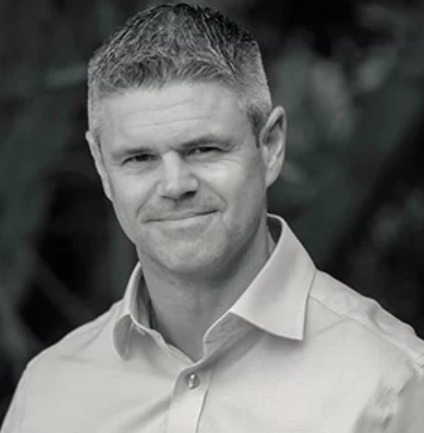
“My 2026 online priority is to be as visible as possible for people based in Oxfordshire who are transitioning from an individual contributor role into their first people management role. I would like to learn more about any challenges they face, the support they require and how our blend of coaching and/or training can make their lives easier”
“My biggest online goal for 2026 is to really get my head around using Instagram.
Although I try to post 2-3 times a week, it is a medium I do not feel confident in using, possibly because I am not particularly interested in looking at it myself, and I don’t feel like I really know what I’m doing!
I know that my target audience (women aged 23-43, expecting or planning a baby) often spend a lot of time on Instagram, so if I could make them aware of what I offer to pregnant women, that would be brilliant!“
“Given 2026 sees our 20th Anniversary at African Children’s Fund, we would love to have 20 supporters taking on fundraising challenge events for us during 2026. One of our biggest priorities would therefore be to create more engagement and hits on our website Events page, leading to extra registrations of course!
Given a £9 donation can help 100 Kenyan children go to school thanks to a daily mug of porridge, all our fundraisers make a huge contribution to improving the long-term opportunities available to children in Africa.”

“As I look towards 2026, my aim is to help brands stay focused as AI makes content faster and easier to produce. I’m seeing more visuals than ever, but too often without consistency or clear direction. For me, strong branding still comes from knowing who you are, who you’re speaking to, and why – while leaving room to explore new ideas and creative approaches.
What I want to achieve is simple: clearer, more coherent brands that still feel fresh. AI should support good design and spark ideas, not replace judgement or strategy. In 2026, I want to work with businesses that value quality over quantity, using technology thoughtfully to strengthen their identity and open up new creative possibilities rather than adding to the noise.”
“My priority for 2026 online is, to push the online shop, locally – so customers can order gifts on their lunch breaks and collect the same day. Also giving the customers a quick, convenient way to shop small and local, and generating sales online for the sellers and bringing footfall into the shop when they collect, (hopefully generating more sales when they come instore)
Also to push globally – hopefully expanding our customer reach to further parts of the county/country, to generate sales and footfall from people seeing whats on offer and planning to visit the shop.”
“Our goal this year is to help business owners and decision makers to achieve their goals by implementing bespoke SEO strategies. From independent shops on the high street to national brands, that process of understanding a client’s needs, building a strategy aligned with their goals, and helping them reach those goals is what makes this all worthwhile.
Internally our goal is to establish a more solid presence as an SEO agency in Witney, Oxford and beyond. That means refining our website, meeting more business owners in the county, and building connections.”
We put out a request to “Business owners in Oxfordshire” on featured.com – a platform that connecting publishers to contributors – with the view to getting some more quotes.
Turns out everyone misread the brief. Here’s where the responses came from:
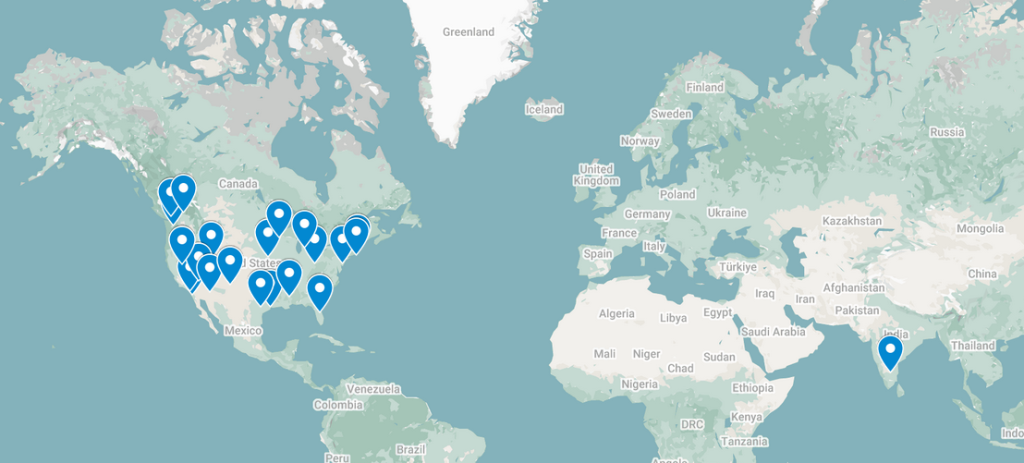
Not a single pin in the UK, let alone Oxfordshire 😂
But the extended perspective is interesting:
Special mention to JR Smith who at least acknowledged he wasn’t in Oxfordshire:
“I’m based in Houston, not Oxfordshire, but I run H-Towne & Around Remodelers and I’ve learned something critical about online priorities after 20+ years in residential renovation: speed of response crushes everything else.
My singular focus this year is cutting our estimate turnaround from 48 hours to 24 hours or less. We track this obsessively because when someone requests a kitchen remodel quote, they’re talking to three other contractors that same day. The first credible response wins about 60% of the time in my experience.”
Things are definitely shifting in 2026: AI search is real, showing up in ChatGPT answers will matter more as time goes on. Staying aware of these trends helps you spot when customer behaviour changes and adapt ahead of time. But ignoring the fundamentals – or the goals that feel important to your business – in favour of chasing hype can easily become a distraction.
This is because you’re probably one of the many businesses not losing customers to AI, but to user journey friction, showing up for the wrong audience, or not showing up at all.
Our recommendation? Audit where your business is losing – or never finding – people now. Then spend 2026 closing those gaps and tracking the impact. Aim to be findable when someone needs you, contactable without friction, and memorable for offering a real solution to their actual problem.

What Oxfordshire businesses want in 2026, and how it compares to the hype
TL;DR probably not
With actionable fixes so you can do the same